Research Topics
Research by Dr. Bentley Oakes on digital twins, systems engineering, machine learning for engineering tasks, and knowledge representation.
Our research in the Oakes Lab focuses on enabling domain experts to efficiently capture and utilise their knowledge through an AI-assisted model-driven approach, to engineer complex cyber-physical systems. The goal is to minimise the cognitive and time effort for constructing, verifying, and validating these systems, while still maximising the insights gained during the systems engineering process. In short, we want engineers to build safer, better systems much faster.
Current focus: Accelerating and Systematising Digital Twins Engineering
Interested in joining the Oakes Lab?
Interested in collaborating with us?
Digital Twin Engineering
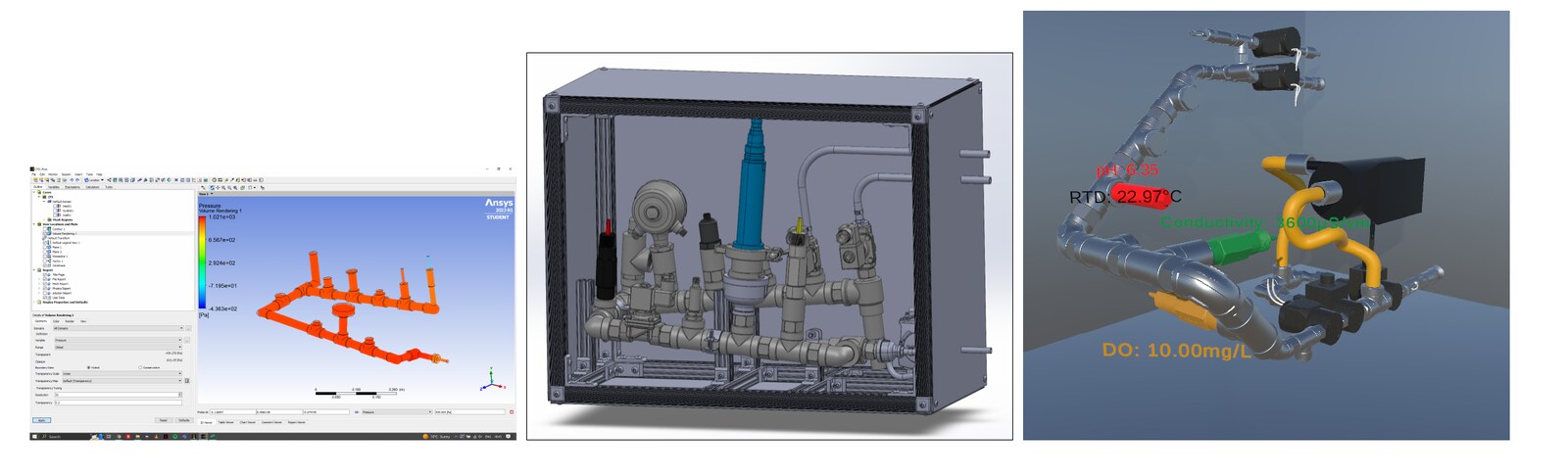
Digital Twins (DTs) are virtual representations of a system. Where they get interesting is when they are connected to a physical system, such that they receive data in real-time, perform modelling and simulation, and have some control over that system. For example, a DT for beer fermentation can monitor and control the fermentation process in real-time. The concept can go further still, where engineers add look-ahead predictive capability, integrate more and more data, and add in artificial intelligence and machine learning.
Our work focuses on the challenging engineering of model-based DTs and their detailed reporting. We have proposed an ontologically-grounded method for creating DTs by selecting a DT service and following a defined workflow. We have also pioneered DT reporting, by providing 21 characteristics for precisely reporting DTs, and built DTInsight to create a live visualisation and reporting page.
We are also extending DTs beyond physical systems to Enterprise Digital Twins, which represent an organisation's processes, data, and decisions rather than a machine. In collaboration with Michelin, we are investigating how to rapidly involve stakeholders through a working prototype before evolving towards federation and full interoperability, so that the resulting DT is trusted by the people whose decisions depend on it.
Key publications:
- DTInsight: A Tool for Explicit, Interactive, and Continuous Digital Twin Reporting
- Involving before Evolving: A Vision for Trustworthy Enterprise Digital Twin Engineering Best Short Paper
- Engineering a Digital Twin for the Monitoring and Control of Beer Fermentation Sampling
- Towards a Systematic Reporting Framework for Digital Twins: A Cooperative Robotics Case Study
- Towards Ontological Service-Driven Engineering of Digital Twins Best Short Paper
- Model-based Digital Twin Engineering: Insights, Challenges, and Future Directions
We teach these concepts in our Digital Twin Engineering course.
Model-Based Systems Engineering
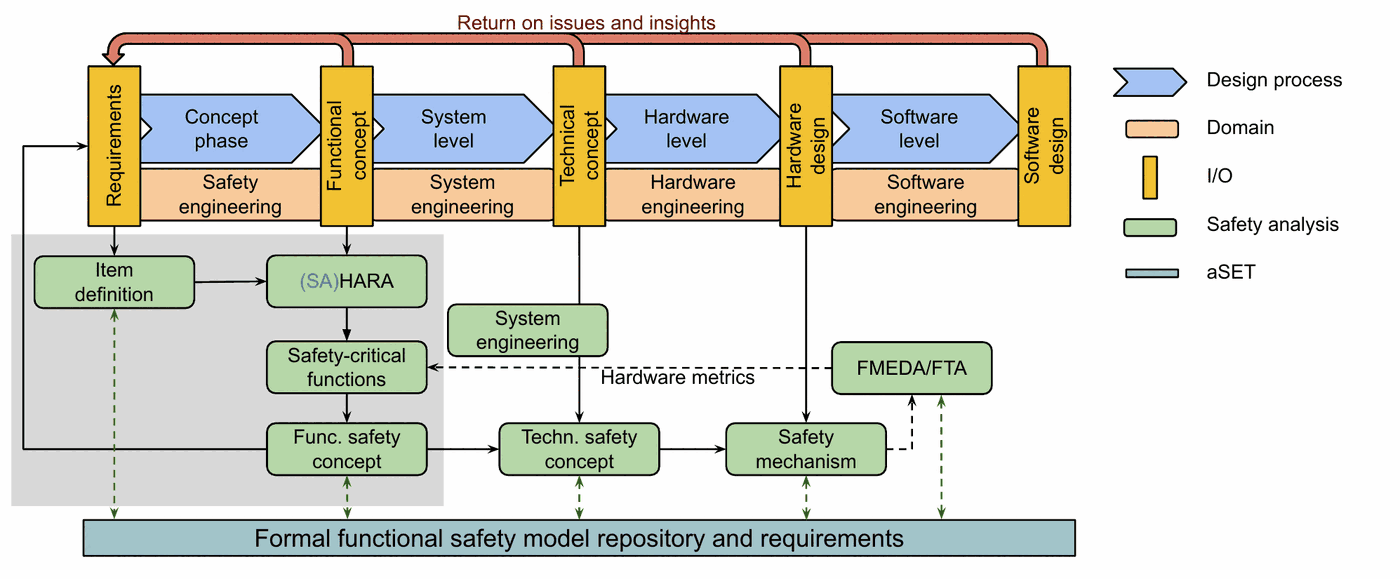
Effective systems engineering is about modelling and reasoning over complex integrations of systems, which is a perennial challenge, as shown in a survey of practitioners. In particular, engineers still need languages, tools, and techniques to better bridge the gap between knowing and utilising their domain knowledge.
In our lab, we focus on assisting systems engineers: creating tailored visual languages, providing hints to better configure their systems, and we collaborate with NASA JPL on utilising their openCAESAR framework to push the use of ontologies in systems engineering. This builds on industrial work with Siemens Industry Software, Boeing Research & Technology, and Dana on safety-critical systems and co-simulation.
Key publications:
- HintCO: Hint-Based Configuration of Co-Simulations Best Student Paper
- Model-Based Systems Engineering Perspectives: A Survey of Practitioner Experiences and Challenges
- openCAESAR: Balancing Agility and Rigor in Model-Based Systems Engineering
- Bridging the Semantic Web and Model-Based Systems Engineering with the Ontological Modeling Language
- Toward Intelligent Generation of Tailored Graphical Concrete Syntax
- A Model-Driven Engineering Framework to Support the Functional Safety Process
Machine Learning for Engineering Tasks
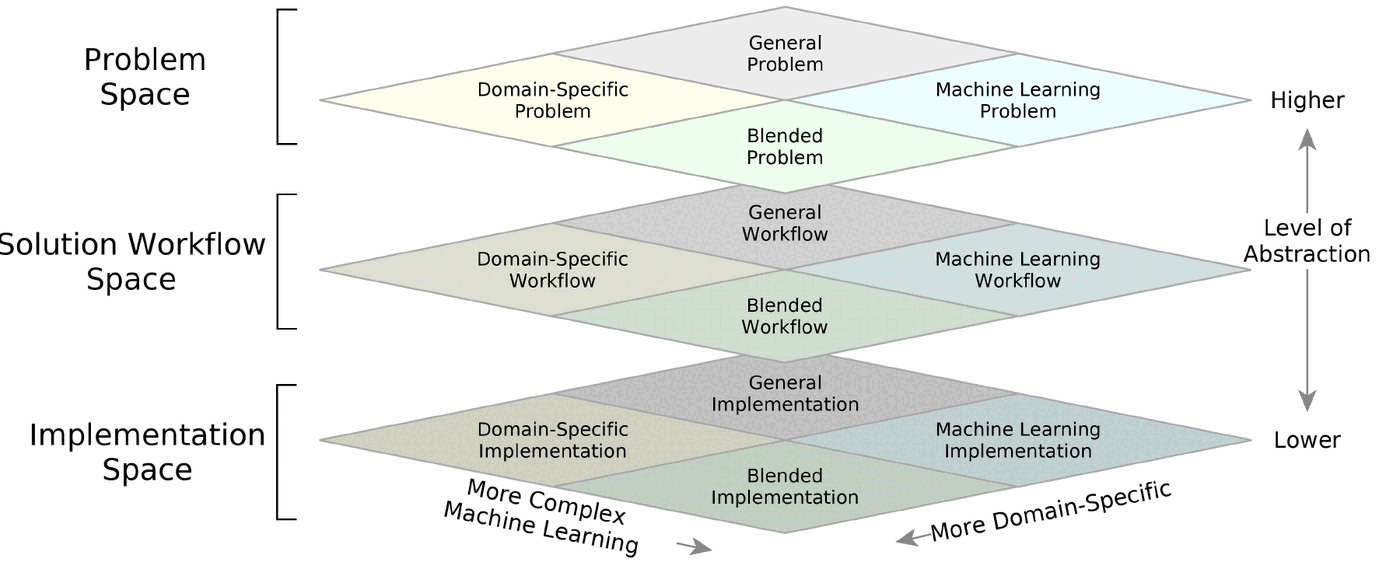
Machine learning is all about how to utilise the mass of data available for today's complex systems in a way where intelligent decisions can be taken automatically. We have research threads investigating: a) how to extract developer rationale from code commits, b) how to better assist domain experts in utilising machine learning, and c) when and how to provoke the worst-possible safety-critical situation and visualise the outcome.
Key publications:
- Automated Extraction and Analysis of Developer's Rationale in Open Source Software
- Building Domain-Specific Machine Learning Workflows: A Conceptual Framework for the State-of-the-Practice
- Exploring Fault Parameter Space Using Reinforcement Learning-Based Fault Injection
- Machine Learning-Based Fault Injection for Hazard Analysis and Risk Assessment
Semantic Modelling and Knowledge Representation
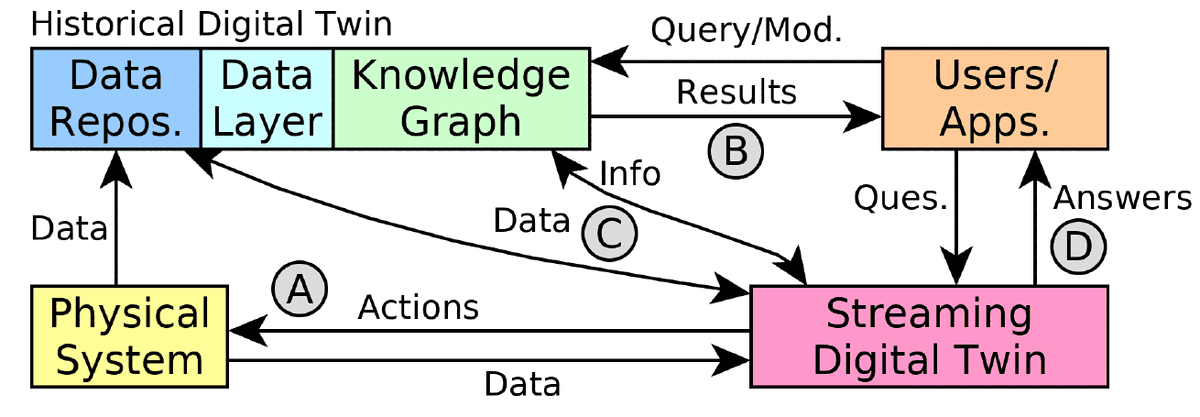
Engineering complex systems depends on being able to capture the expert's domain knowledge and reason over it. Our research focuses on using rich semantic modelling, as captured in ontologies, to represent: machine learning, developer rationale, Digital Twin data, and MBSE. Having this semantic knowledge represented in a consistent way allows for deeper understanding and enhanced interoperability across systems.
Key publications:
- Bridging the Semantic Web and Model-Based Systems Engineering with the Ontological Modeling Language
- Building Domain-Specific Machine Learning Workflows: A Conceptual Framework for the State-of-the-Practice
- openCAESAR: Balancing Agility and Rigor in Model-Based Systems Engineering
- Structuring and Accessing Knowledge for Historical and Streaming Digital Twins
- Towards Understanding and Analyzing Rationale in Commit Messages using a Knowledge Graph Approach